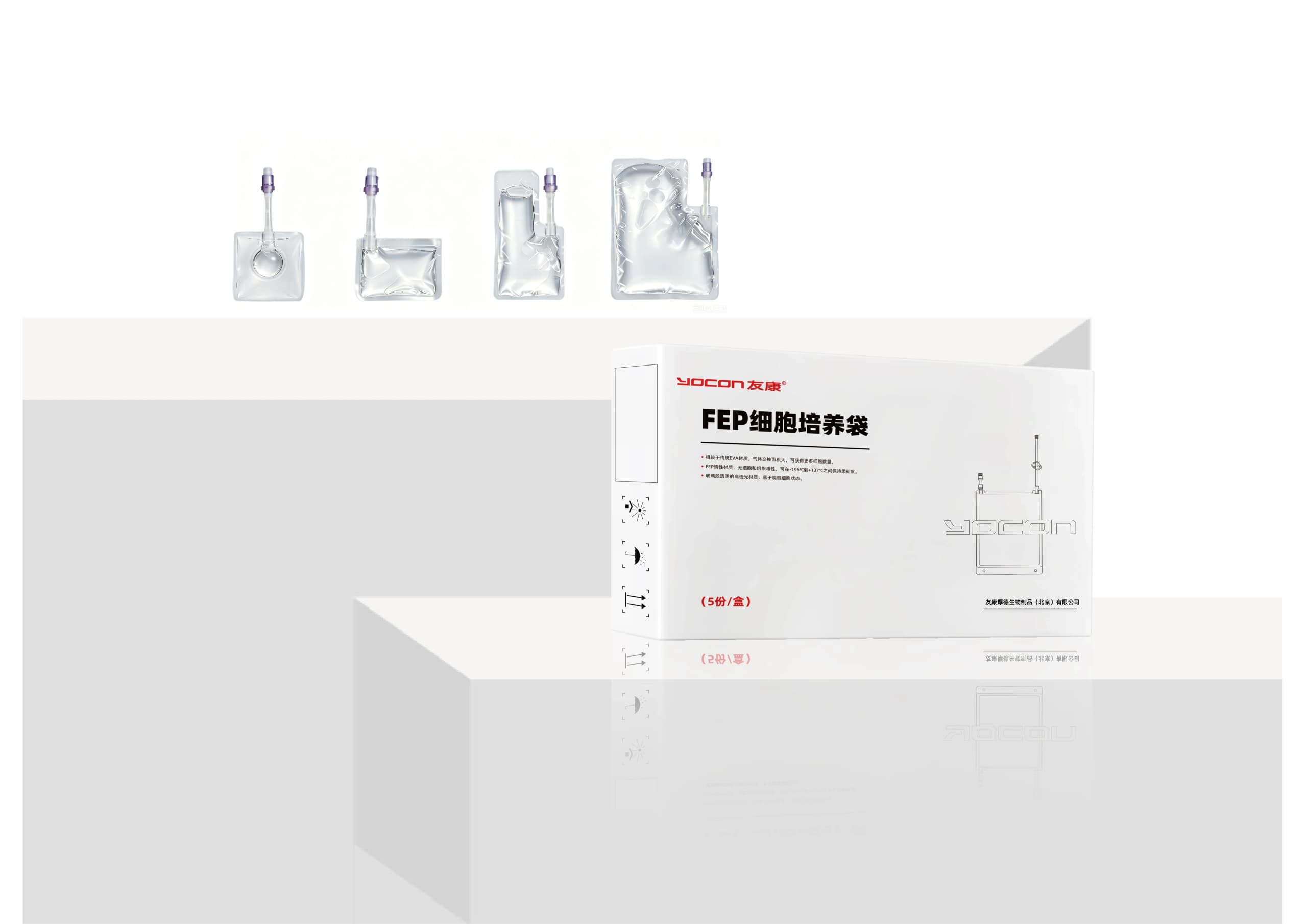
FEP (Fluorinated Ethylene Propylene) Cell Culture Bag
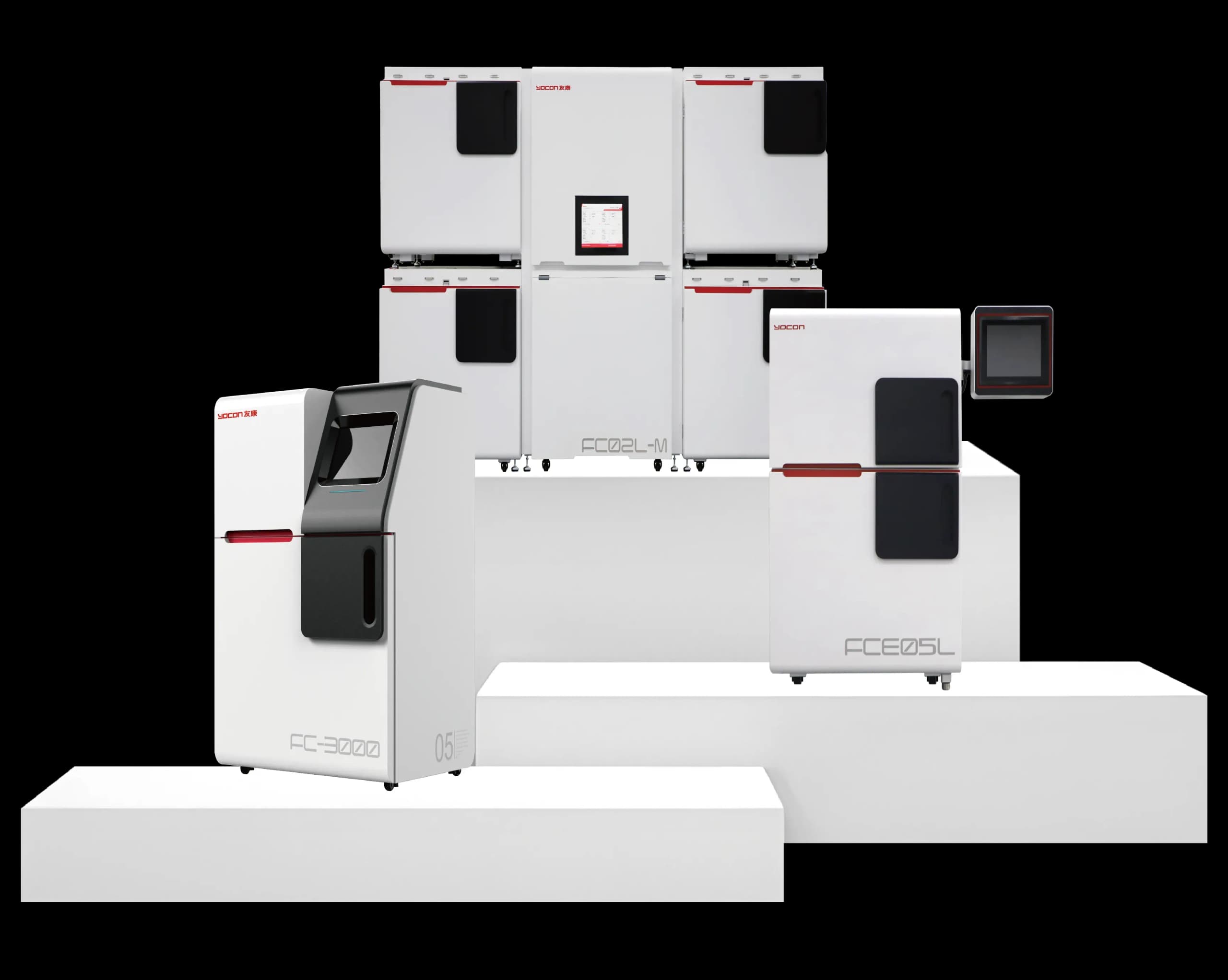
Designed for high-grade cell therapy and manufacturing, featuring excellent gas permeability and chemical stability, compatible with mainstream fully closed automated cell culture workstations.
Specifications
| SKU | FEP-C001-1000 |
|---|---|
| SKU | FEP-C001-1000 |
| Packaging | 1000 mL per bag, 20 bags per case |
| Application | Closed-system expansion culture of immune cells (e.g. NK, T cells) and stem cells. |
| Shipping | Ambient temperature |
| Storage | Store at room temperature, protected from light and moisture. Shelf life 24 months. |
Performance & Technical Advantages
Outstanding gas exchange efficiency
FEP offers exceptionally high permeability to O₂ and CO₂ at room temperature. Compared with conventional EVA or PVC materials, FEP culture bags maintain stable dissolved oxygen (DO) and pH during high-density culture.
This makes them ideal vessels for large-scale expansion of highly oxygen-demanding immune cells such as natural killer cells, significantly improving final cell yield and viability.
Highly compatible with solid-phase coating
The inner surface of this FEP culture bag is optimised physico-chemically. In demanding expansion workflows, solid-phase coating of the bag is an indispensable first step before adding soluble factors.
The material allows uniform attachment of coating antibodies or matrix proteins, providing optimal initial adhesion and activation anchors for cells.
Stringent sterilization and closed-system safety
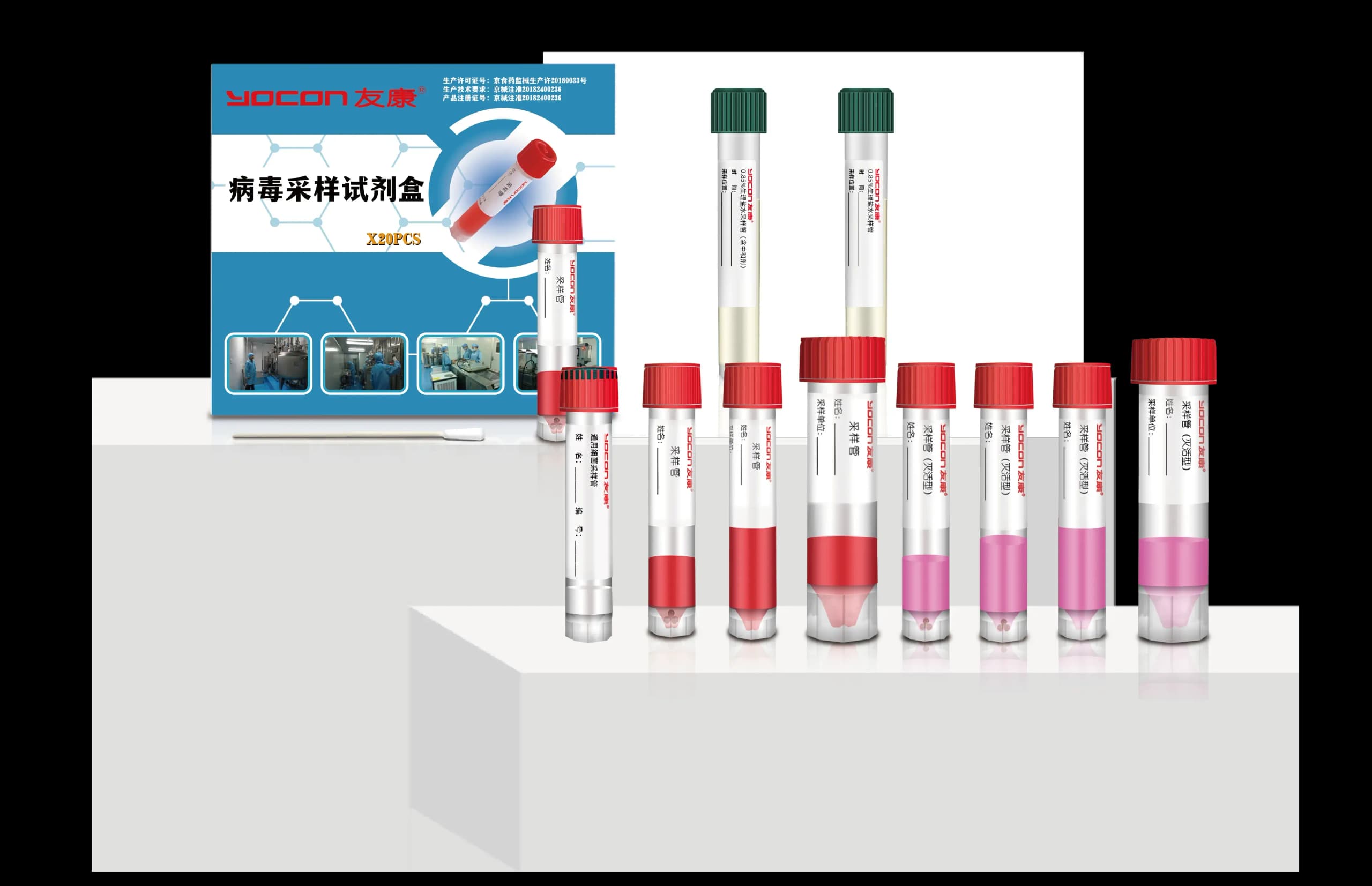
Every product is verified before release and supports a standardized wet-heat sterilization protocol, ensuring the tubing and bag interior remain absolutely sterile.
Medical-grade Luer connectors and needle-free injection ports interface with mainstream closed fluid paths of automated cell culture workstations, eliminating contamination risks from open handling.
Frequently Asked Questions
Q1: Can I add medium containing cytokines directly when expanding cells in this FEP bag?
No. According to standardized process validation, solid-phase coating of the bag is the mandatory first step before adding any soluble factor. This step is critical for activating cell receptors and ensuring initial adhesion; skipping it will significantly reduce expansion efficiency.
Q2: How is the bag sterilized? Will it leave harmful residues?
Our FEP bags use a mature wet-heat sterilization process. Unlike products sterilized with ethylene oxide (EO), wet-heat sterilization uses high-temperature high-pressure steam, leaving no toxic chemical residues.
Q3: Can this product be used for cryopreservation of stem cells?
FEP has excellent resistance to ultra-low temperatures (down to -196°C liquid nitrogen). It serves both as a room-temperature and 37°C culture vessel, and is fully suitable for cryopreservation of cell products.
Q4: How is batch-to-batch consistency ensured? How do I obtain the quality control report?
YOCON operates a stringent system compliant with ISO and medical device GMP requirements. Every batch is verified for endotoxin, sterility and cell growth before release. Enter the lot number on the Downloads page to retrieve the corresponding batch report.
Certificate of Analysis Lookup
Enter the lot number printed on the product packaging to retrieve the corresponding quality control report.